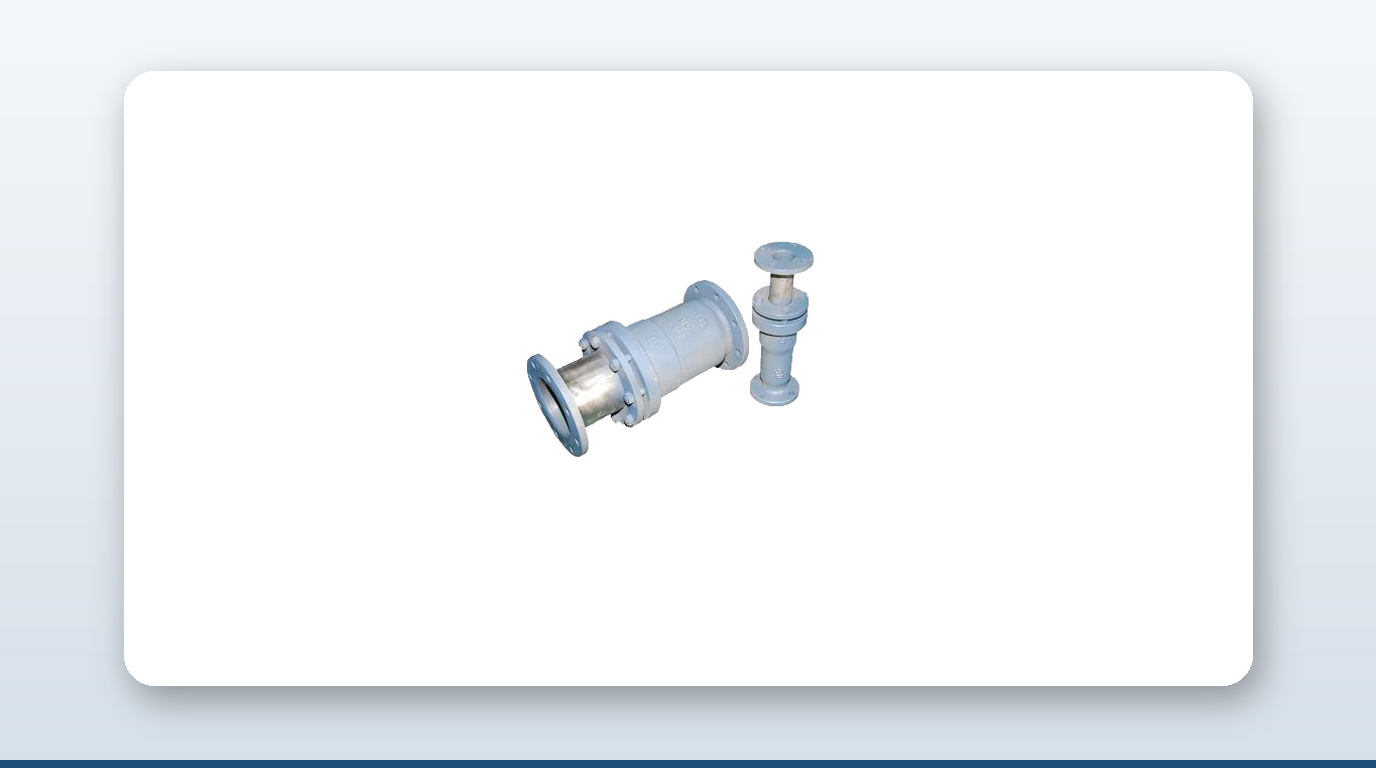
Indonesian industrial buyers searching Indotrading for pipe couplings are usually solving the same problem: a plant in Cilegon, Batam, or Surabaya needs a mechanical coupling on short notice, and the local marketplace listing in front of them doesn’t say enough about who actually made the part, what standard it was tested to, or how long it will hold up on a working line. Indotrading is a legitimate discovery channel — it surfaces hundreds of pipe coupling and pipe fitting listings from sellers across Indonesia — but a marketplace listing is not the same thing as a verified supplier relationship, and for a component that has to seal under pressure, that difference matters.
This guide covers why a growing number of Indonesian industrial buyers now source pipe couplings directly from a Singapore-based distributor rather than relying solely on marketplace listings, what the logistics and lead-time reality actually looks like on a Singapore-to-Indonesia shipment, and how to tell a properly sourced coupling from a rebadged unknown before it goes on your line.
Why Indonesian Buyers Look Beyond Local Marketplace Listings
Indotrading serves Indonesia’s industrial buying community well for commodity items — fasteners, standard fittings, general hardware. Pipe couplings sit in a different category. They’re a pressure-retaining component, and the gap between a listing photo and the part that arrives can include the wrong gasket compound, an unverified pressure rating, or a housing sourced from a mill with no traceable certification.
For buyers in Jakarta, Batam, and Surabaya running plants tied to shipbuilding, petrochemical, or water infrastructure work, three gaps show up repeatedly when sourcing through open marketplace listings alone:
- No verified brand chain. A listing may show a coupling photo without stating whether it’s an authorised distributor of that brand or a reseller of unknown-origin stock.
- Inconsistent stock depth. Marketplace sellers often list to demand rather than holding real inventory — a “available” listing can still mean a multi-week wait once an order is placed.
- Limited technical support. Sizing a coupling correctly requires knowing pipe OD, material, and working pressure — not just a DN label. Marketplace chat support rarely goes deep enough to catch a mis-sized order before it ships.
Singapore-based suppliers who deal directly with regional buyers are positioned to close all three gaps, because they typically operate as authorised distributors for a named brand, hold physical stock rather than list-to-order, and can validate a spec before it’s committed to a purchase order.
The Logistics Reality: Singapore as a Regional Hub
David Phee Enterprise (DPE) runs a hub-and-spoke model from its Singapore headquarters — there is no physical branch office in Indonesia, and every regional order, whether it lands in Batam, Jakarta, or Surabaya, is picked, packed, and freighted out from the same Singapore warehouse. This is a deliberate structure, not a limitation: centralising stock in Singapore means one inventory pool serves the whole region instead of fragmenting stock across multiple under-utilised branches.
What this means in practice for an Indonesian buyer:
| Factor | What to expect |
|---|---|
| Order placement | RFQ sent directly to the Singapore supplier — no marketplace listing intermediary |
| Stock check | Confirmed against real warehouse inventory, not a static listing |
| Freight routing | Singapore hub → nearest Indonesian port (Batam, Tanjung Priok, Tanjung Perak) by sea or air freight depending on urgency |
| Same-day dispatch | Available on stocked items once the order is confirmed — the constraint becomes freight transit time, not supplier processing time |
| Documentation | Commercial invoice, packing list, and certificates of origin/conformance prepared per shipment |
Batam’s proximity to Singapore makes it the fastest regional lane — short sea freight, sometimes same-day depending on vessel schedules. Jakarta and Surabaya add transit days but remain materially faster than waiting on an unverified marketplace seller to source stock they don’t actually hold.
Quality and Counterfeit Risk on Open Marketplace Listings
The biggest single risk in sourcing pipe couplings through unverified marketplace listings is not price — it’s provenance. A coupling that looks correct in a product photo can differ from the genuine article in gasket compound, housing wall thickness, or bolt-torque rating, and none of that is visible until the part is under pressure on a live line.
Questions worth asking before ordering from any listing, marketplace or otherwise:
- Is the seller an authorised distributor of the named brand, or a reseller of unknown-source stock? An authorised distributor can typically produce a supply chain trail back to the manufacturer; a reseller often cannot.
- Does the listing specify the exact standard the coupling is tested to (working pressure range, OD tolerance, gasket material), or only a generic “pipe coupling DN100” description?
- Can the seller provide a datasheet or certificate of conformance on request, before the order is placed — not after a complaint is raised?
Buying direct from an authorised distributor removes most of this uncertainty, because the distributor’s commercial relationship with the manufacturer is the thing being verified, not just the physical part in a photo. For engineered components going into ship chandlery, shipyard, oil & gas, or water infrastructure work, that verification step is not optional — it’s the difference between a coupling that seals for years and one that fails on commissioning.
General Import Considerations for Indonesian Buyers
Importing industrial goods into Indonesia involves standard customs clearance, applicable import duty, and documentation requirements that vary by shipment value, HS classification, and the buyer’s own import licensing status. Korea-origin goods — the country of manufacture for several major pipe coupling brands — may qualify for preferential trade treatment under regional trade agreements, but the applicable rate depends on the specific product classification and current agreement terms at time of shipment.
Rather than relying on generic online guidance, Indonesian buyers should confirm current duty treatment and documentation requirements with their own customs broker or freight forwarder before committing to a large order — trade terms and tariff schedules are updated periodically, and a supplier quote should always be read as pre-duty unless stated otherwise. A responsive Singapore supplier will typically provide the commercial documentation (invoice, packing list, certificate of origin where applicable) needed to support the buyer’s own customs clearance process, but the clearance itself is the importer’s responsibility under Indonesian regulations.
What to Confirm Before You Order
A short checklist for any Indonesian buyer evaluating a pipe coupling source, whether found via Indotrading or direct outreach:
- Pipe material and standard, not just DN label — steel, HDPE, and ductile iron of the same nominal size have different actual outside diameters, and the coupling must match the real OD.
- Authorised distributor status for the brand being quoted.
- Actual stock availability, confirmed against warehouse inventory rather than a listing status.
- Freight lead time to your specific port, not a generic regional estimate.
- Documentation package — datasheet, certificate of conformance, and commercial paperwork needed for your own customs clearance.
For guidance on sizing the coupling itself once you’ve identified a supplier, see DPE’s guide to pipe OD and nominal bore and the broader pipe coupling supplier guide for Singapore-based sourcing.
Key Takeaways
- Indotrading is a useful discovery tool, not a substitute for supplier verification. Confirm authorised distributor status and stock depth before ordering, especially for pressure-retaining components.
- Singapore’s hub-and-spoke model serves Indonesia without a local branch office — Batam, Jakarta, and Surabaya orders all route through the same Singapore warehouse, keeping stock centralised and freight times predictable.
- Counterfeit and quality risk is a provenance problem, not a price problem. A listing photo cannot verify gasket compound, housing spec, or pressure rating — a documented supply chain can.
- Import duty and documentation requirements should be confirmed with your own customs broker, not assumed from a generic online source — trade terms change.
- Ask for the datasheet before you order, not after a problem shows up.
About David Phee Enterprise
David Phee Enterprise is a Singapore-based industrial trading company and the exclusive Singapore distributor for Jeong Woo Coupling (JWC), supplying ship chandlers, shipyards, and industrial contractors across Singapore, Malaysia, and Indonesia from its Kaki Bukit headquarters. Operating on a hub-and-spoke model with no physical branch office in Indonesia, DPE fulfils regional orders — including Batam, Jakarta, and Surabaya — with same-day dispatch on stocked items and full sizing and documentation support. Visit davidphee.com to confirm stock, request a datasheet, or get a quote before you order.