Pipe Coupling for Seawater Applications: Material Selection
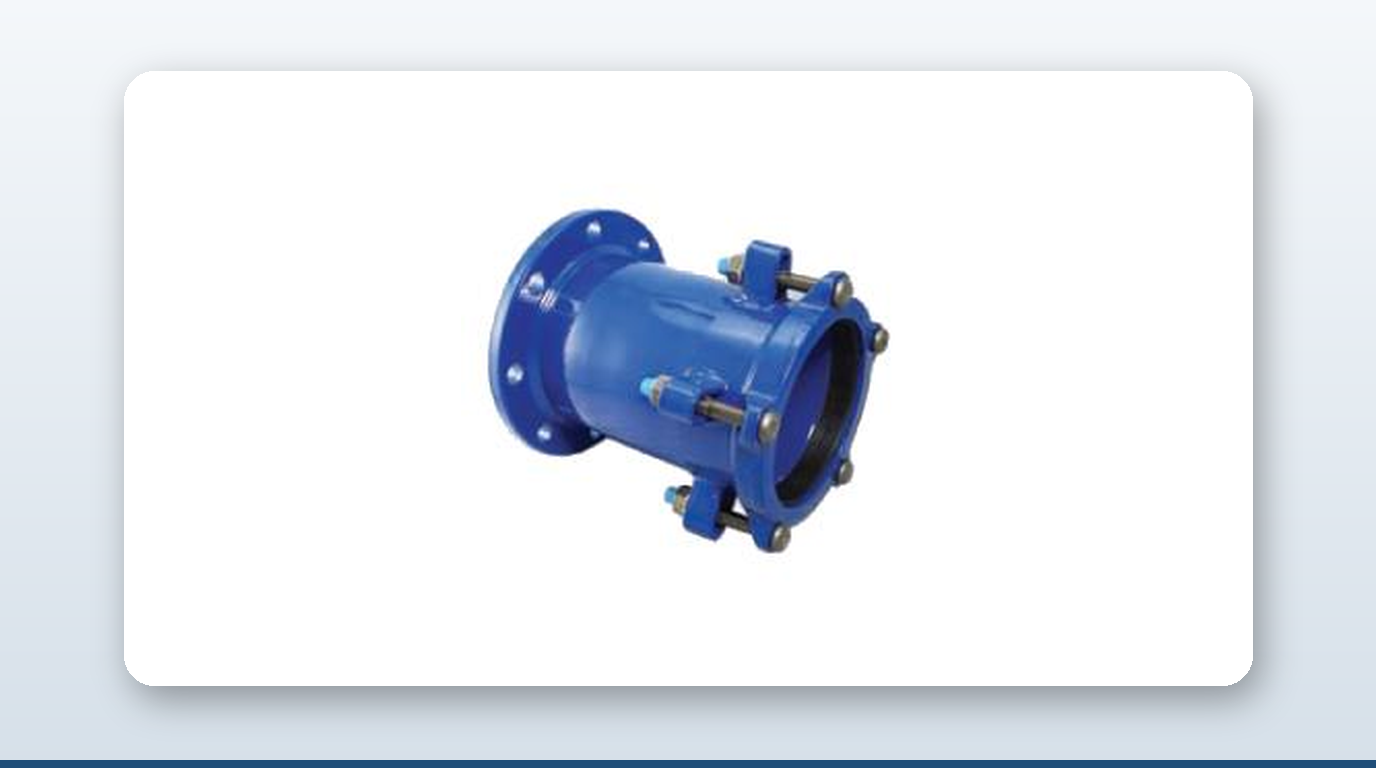
There is no single right material for seawater couplings. Velocity limits, the PREN ladder and the three material lanes that decide what survives in seawater service.
 yongxiang@davidphee.com
There is no single right material for seawater couplings. Velocity limits, the PREN ladder and the three material lanes that decide what survives in seawater service.
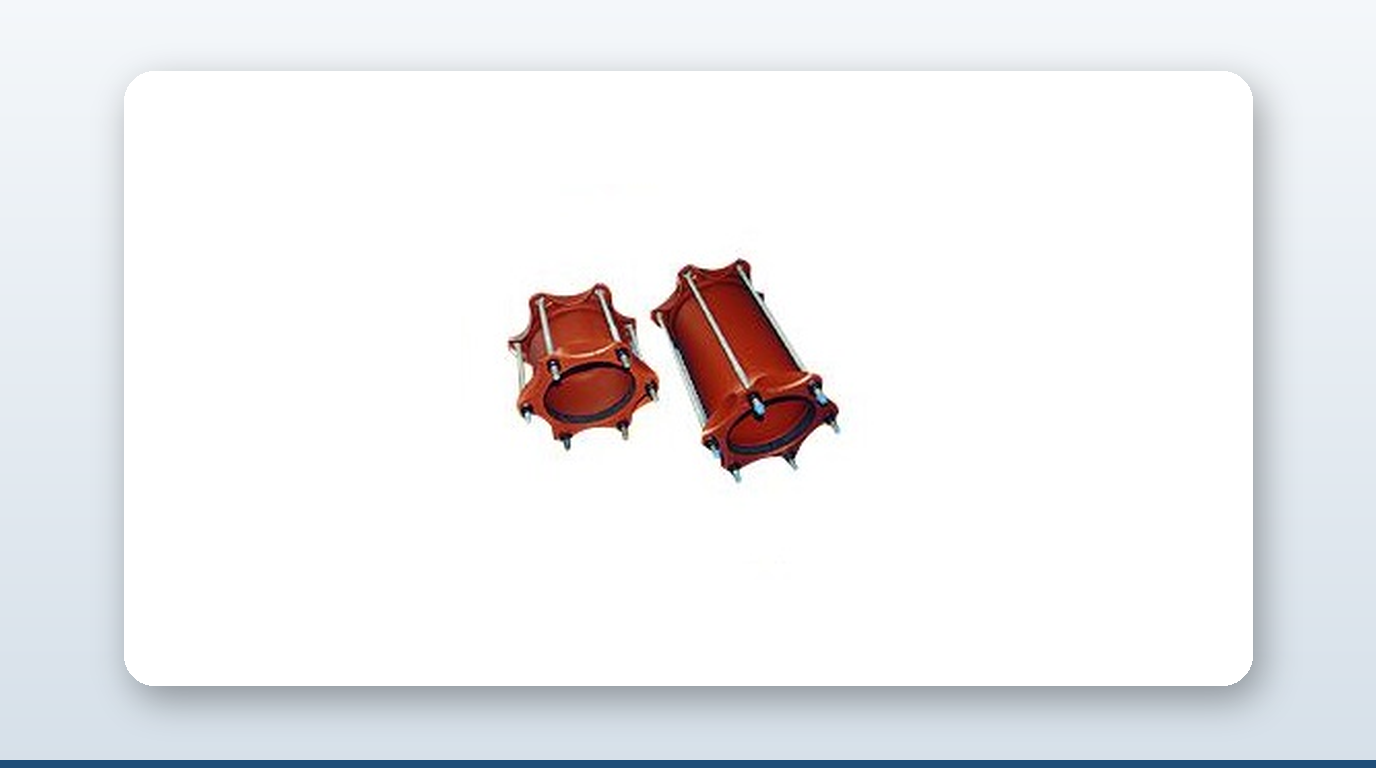
Why so many technical suppliers sit in Kaki Bukit, what it means for delivery times to the yards and anchorages, and how chandlers should evaluate a supplier’s location.
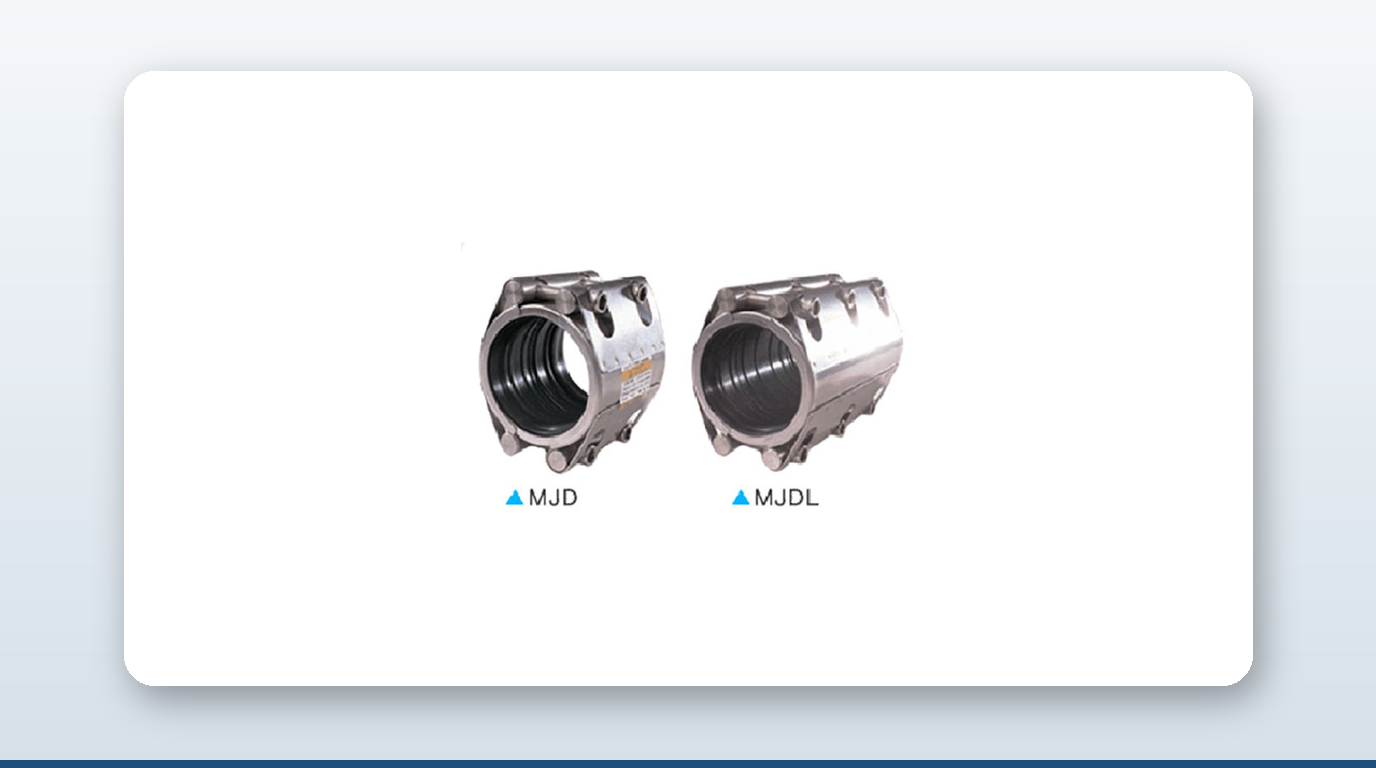
A vessel sails on the tide and a coupling is leaking. Here is the actual sequence behind a same-day pipe coupling order in Singapore — and the four things that decide it.
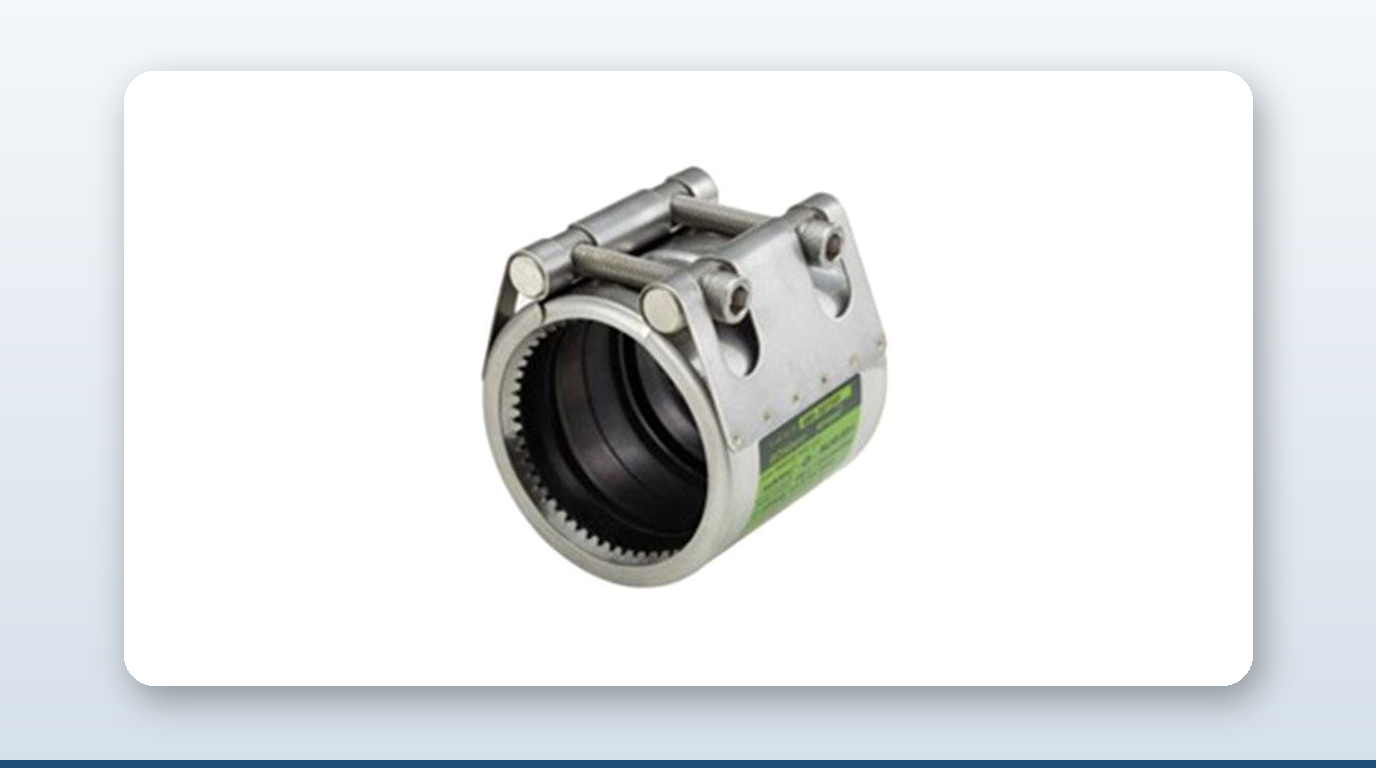
A coupling can pass every structural standard and still be blocked from potable water. The two-layer rule behind ISO, JIS, BS and Singapore SS coupling standards.
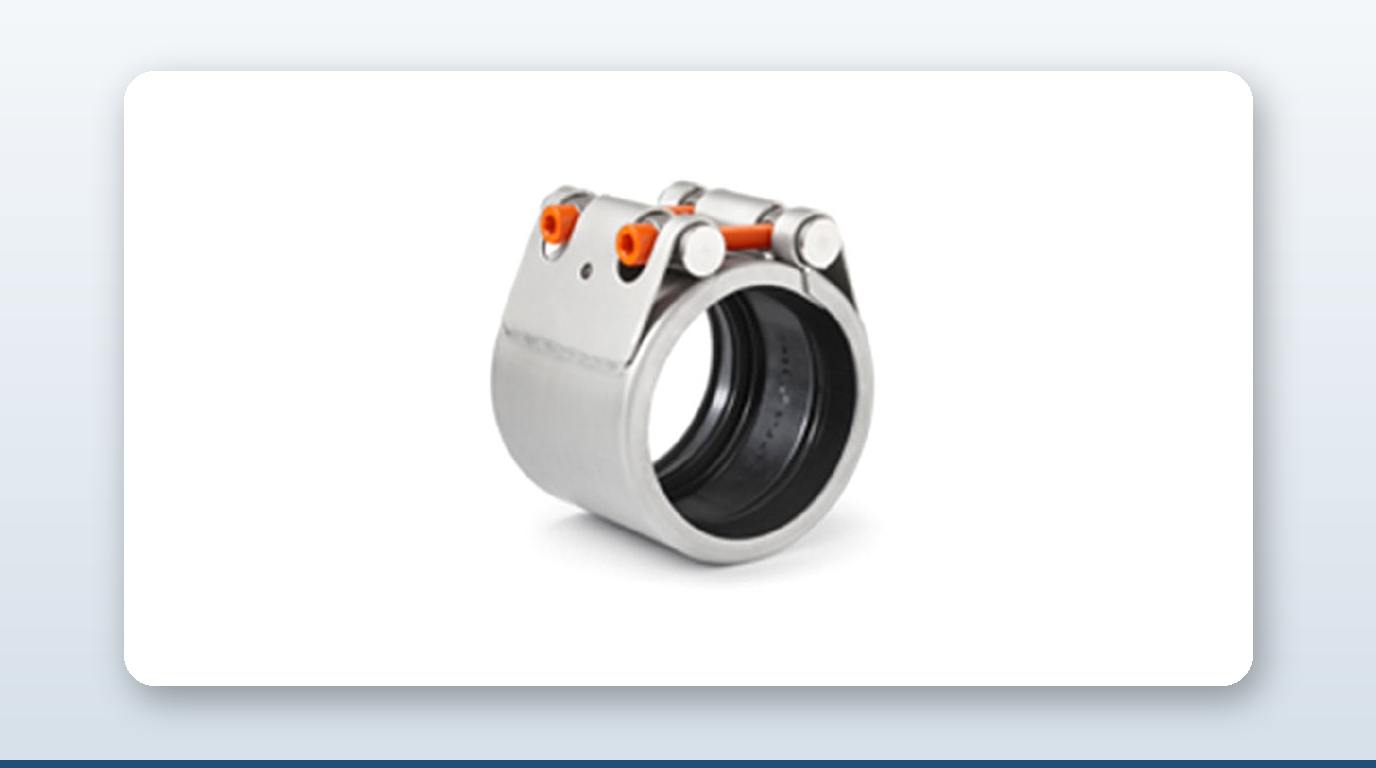
A steel-pipe mechanical coupling will not correctly seal or grip HDPE. Two reasons why — PE’s own OD series and the mandatory stainless liner — and what to order instead.
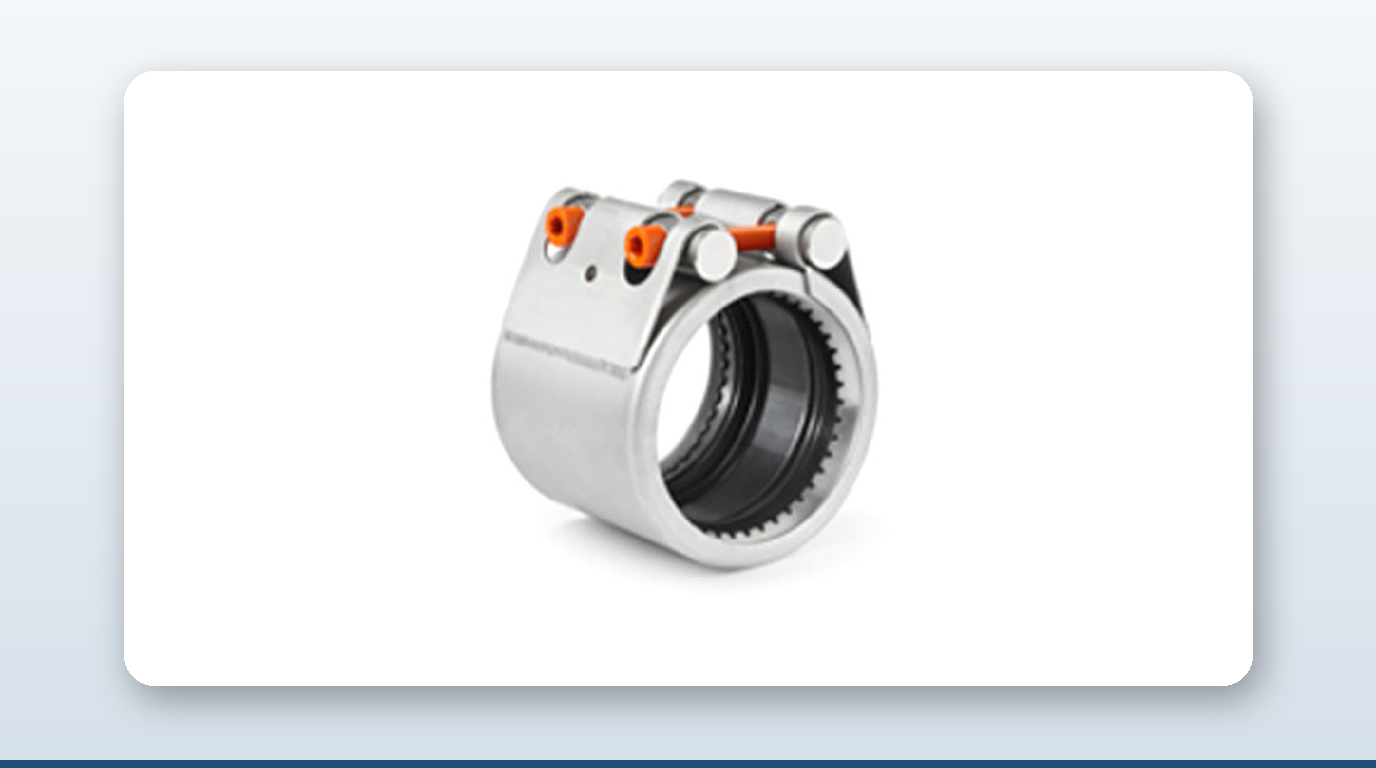
The gasket is the cheapest part of a mechanical coupling and the one that decides whether it leaks. How to select, replace and specify a replacement gasket correctly.
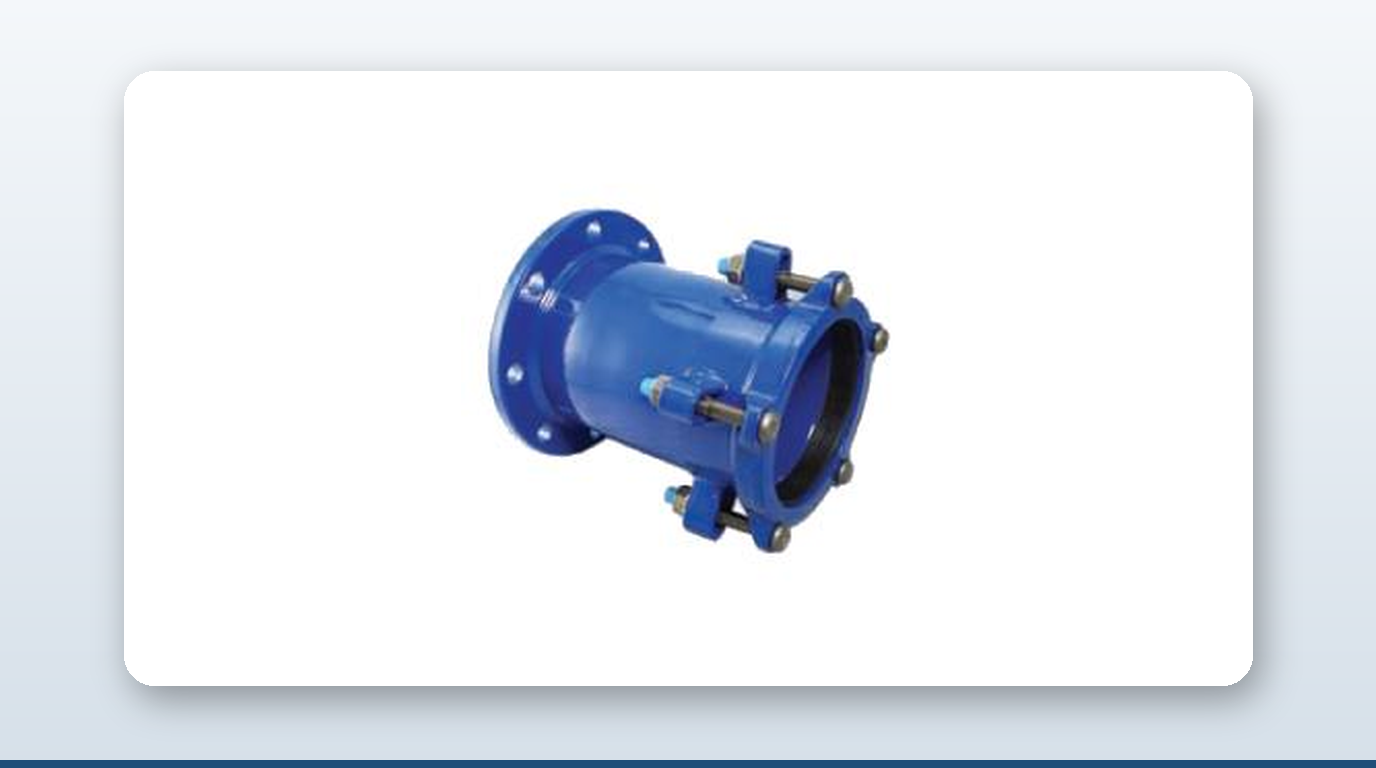
A flange size alone doesn’t fix its dimensions. Here’s what actually determines bolt circle, hole count, and facing — and why mismatched standards don’t bolt up.
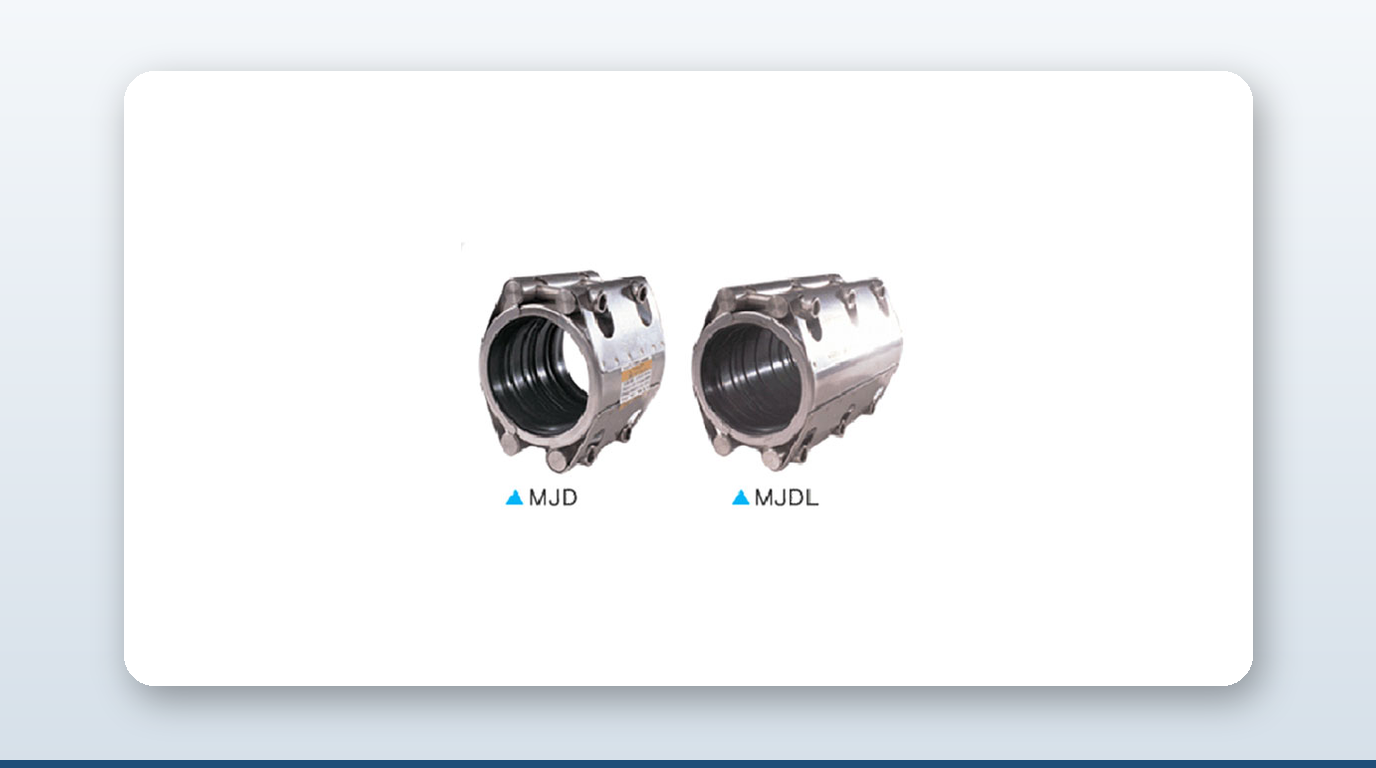
A merchant vessel runs a dozen separate piping systems, each with different temperature, pressure, and coupling requirements. Here’s the supply-side map.
Most Singapore ship chandlers don’t stock deep pipe fitting inventory themselves. Here’s what supply standards to demand from the partner who does.
Pipe coupling export Singapore explained — documentation, freight forwarding, and how buyers in Malaysia and Indonesia should evaluate a supplier.